Weekly Live Teen Coaching
Guided reading instruction grounded in enabling texts. Skill building + identity work. Weekly reading and writing artifacts that show measurable progress.
The Read to Rise™ Cohort · Applications Opening Soon
A live coaching program for Black teen boys ages 13–18 and the parent raising them. Identity-first literacy. Scholarly grounded. Small cohort. Carefully placed.
Early-list members get application access before the public + a guaranteed placement-call slot.

Reading is revolutionary.
The Problem
"Most programs focus on skills alone. Read to Rise™ addresses the part nearly everyone misses — that for our boys, the identity work is the prerequisite, not the afterthought."
The Reframe
Tutoring asks "what skill is missing?" Coaching asks "what story is he living inside?" Skill follows when the story shifts.
Focus on decoding gaps, vocabulary drills, and time-on-task. Treats the student as the problem to be fixed. Works around the boy's identity rather than through it.
Built on enabling texts, scholarly framework (Tatum, Muhammad, Smitherman, Baker-Bell), and a parent-partner model. Treats the boy as a thinker first. Skill follows identity.
Word is bond.
What's Inside the Cohort
Concrete deliverables, every week, for eight weeks. No vague promises.
Guided reading instruction grounded in enabling texts. Skill building + identity work. Weekly reading and writing artifacts that show measurable progress.
Routines that reduce power struggles. Language scripts for hard conversations. Accountability systems that actually work in real homes.
Baseline → midpoint → final assessment. Reading comprehension, writing complexity, and reading identity all measured. You see the growth in data, not promises.
What happens after the cohort ends. A continuation roadmap with text list, reading cadence, and next-phase support so the work doesn't stop with us.
The Eight Weeks
Each week builds on the last. By the end, your son owns a literacy identity he did not have when he started.
Baseline assessment. First enabling text placed in his hands. Family contract signed by parent and teen together.
Who he reads alongside. Building the personal canon. First written reflection on a text that found him.
The history of Black literacy. Why this matters. Reading as recovered freedom, not assigned chore.
Code-meshing as skill. Writing in his real voice. The dialect at home is the tool — not the obstacle.
What the world says about him vs. what the texts say. Writing back. Argument as inheritance.
What he hands down. Reading for the cousin, the grandson, the family that is still becoming.
Speaking and writing for audiences beyond the classroom. Final project shaped, drafted, and rehearsed.
Final presentation. Final assessment. 60-day Legacy Plan delivered. Family closure ceremony.
Bond is built.
Fit
Honest answers protect outcomes. Read carefully.
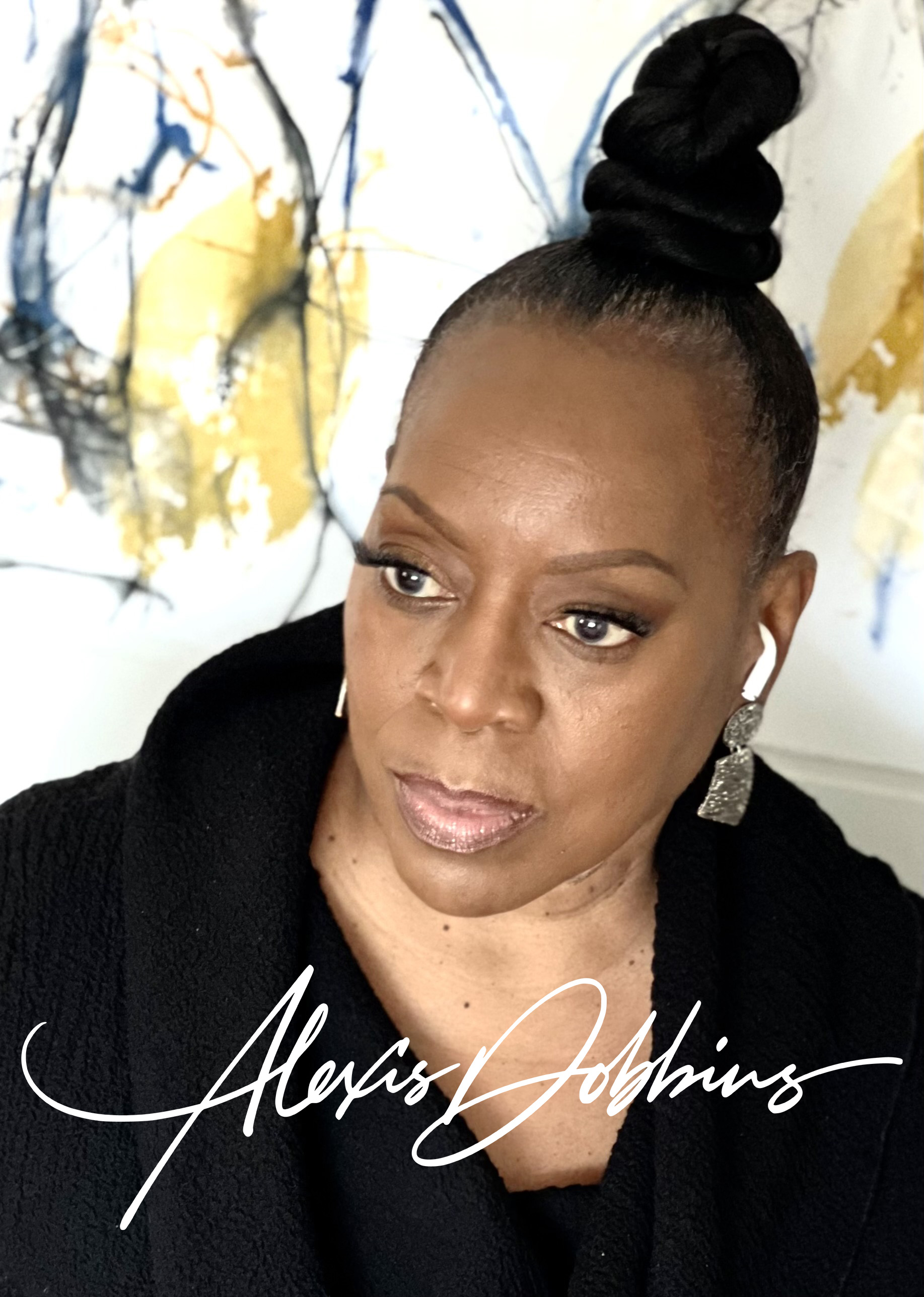
Your Coach
Ed.D. Candidate, Literacy Studies · Educator · Founder of Word Is Bond™
I teach Government and AP Government. I am a doctoral candidate researching literacy among Black male adolescents. I spent fifteen years in national education at PBS and the Corporation for Public Broadcasting. I hold an M.Ed. and an MS in Adult Education and Leadership, plus certifications in mediation and coaching.
But the credential that matters most to your son is this: I am a mama who has watched too many of our boys get reduced to their reading scores in rooms where nobody asked what they were thinking. Read to Rise™ is what I built so that stops happening to one more boy on my watch.
I do not run a large operation. Each cohort is small by design — I personally coach every teen and every parent in the room.
How Enrollment Works
Read to Rise™ is selective by design. The application protects outcomes for every family enrolled.
Get the application before the public and a guaranteed placement-call slot.
Tell me about your son, your family, and what you're hoping for. About 15 minutes.
A 30-minute call with both parent and teen. We confirm fit on both sides.
If we're a fit, you receive placement confirmation and onboarding within 48 hours.
Honest Questions
The pricing is shared during the placement call, after we've confirmed fit on both sides. Sliding-scale options and sponsorship seats are available for families who need them. We will never let cost alone keep a fit family out of the cohort — but we ask families to apply first and have the cost conversation in context.
The cohort runs live online — weekly teen sessions and biweekly parent sessions, recorded for makeup if a family has to miss. This format keeps the cohort small, geographically diverse, and accessible to families across the country.
That's typical and expected. The first week is designed to disarm that resistance — not by performing for him, but by treating him as a thinker from the first minute. Most teens who started skeptical end the eight weeks asking when the next cohort starts.
No. The "parent partner" can be a mother, father, grandmother, aunt, guardian, or any committed adult who shares a home or significant time with the teen. What matters is consistent partnership for eight weeks.
13 to 18. Cohorts are placed by readiness and developmental fit, not strictly by grade. Some 13-year-olds are placed in older cohorts; some 17-year-olds are placed with the younger group. We sort it during the placement call.
We work with many families in this situation. The cohort is not a clinical intervention and does not replace specialized services — but the identity-first approach often produces gains for boys whose previous reading experiences have been wrapped in deficit framing. We discuss specifics on the placement call.
Built to rise.
The Next Cohort
When the next cohort opens, early-list families receive application access first, plus a guaranteed placement-call slot. The list is the way in.
You'll also receive the Bond Brief — our free weekly read on literacy as liberation. Unsubscribe anytime.